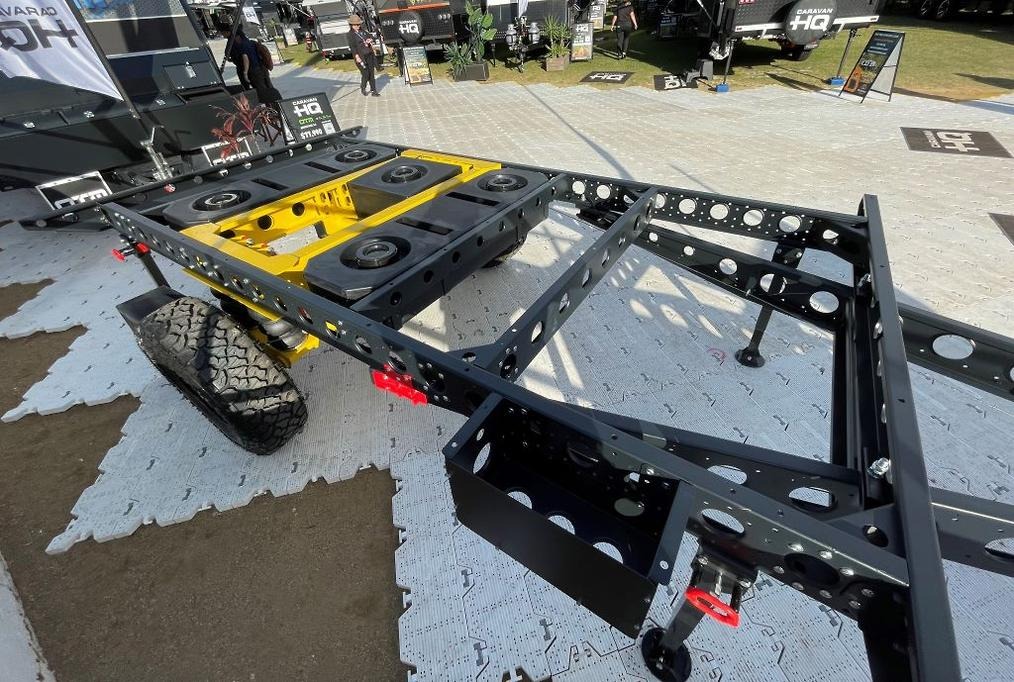
Australia has long been known for its spirit of adventure. From the dusty tracks of the Outback to the winding coastal highways, Australians have always had a deep love of travel — and caravans have become an essential part of that lifestyle. At the heart of every caravan, beneath the luxury interiors and modern conveniences, lies one of the most critical components: the chassis. The evolution of the caravan chassis in Australia tells a story of innovation, resilience, and engineering excellence tailored to some of the harshest terrains on earth.
Early Days: Simplicity and Steel
In the mid-20th century, as caravanning gained popularity across Australia, early chassis designs were relatively basic. Builders often used simple ladder-frame constructions made from mild steel. These early models were durable enough for sealed roads but struggled under the stress of Australia’s rough tracks and red dirt expanses.
Corrosion was also a common issue. Traditional painted steel chassis offered little protection against rust, especially when exposed to moisture, salt air, or unsealed roads. Despite these limitations, these early chassis laid the groundwork for future innovation — showing Australian engineers what worked and, more importantly, what didn’t.
The Rise of Heavy-Duty Design
As more Australians ventured off the beaten path, caravan manufacturers realized that standard road-going designs weren’t enough. In the 1970s and 1980s, kaiyo manufacturers began reinforcing their chassis with thicker steel sections, stronger cross members, and improved suspension mounting points.
These heavier builds increased load capacity and improved durability but came with a trade-off: weight. Towing heavy caravans reduced fuel efficiency and put extra strain on tow vehicles. Yet, for many adventurers, this was a necessary compromise for reaching remote destinations like Cape York or the Kimberley.
During this period, Australian engineering also started to distinguish itself from overseas counterparts. While European caravans were designed for paved roads and mild climates, Australian caravans needed to conquer corrugations, river crossings, and rugged bush tracks. This difference in demand drove local innovation and set a new global benchmark for off-road chassis design.
Galvanisation and Corrosion Resistance
By the 1990s, galvanised chassis became a turning point in caravan manufacturing. Hot-dip galvanisation — where the entire steel frame is coated in molten zinc — provided a tough, corrosion-resistant finish that could withstand decades of exposure to moisture and dust.
This development was a game changer, especially for coastal travellers or those spending time in humid environments. Galvanised chassis not only extended the life of caravans but also reduced long-term maintenance costs, giving owners greater peace of mind.
The Aluminium Revolution
In the 2000s, as lightweight materials became more advanced and fuel efficiency became a bigger concern, some manufacturers began exploring aluminium chassis. Aluminium offered several advantages: it was lighter than steel, resistant to rust, and easier to handle during manufacturing.
However, aluminium’s lower tensile strength compared to steel posed challenges. To compensate, engineers had to design more complex frame geometries and use high-grade alloys. Welding aluminium also required specialist techniques to ensure strength and reliability. While still less common than steel in heavy-duty off-road caravans, aluminium chassis found a strong niche in lightweight touring models designed for highway travel and moderate conditions.
Modern Innovation: Precision and Performance
Today’s caravan chassis are a testament to Australian engineering expertise. The best manufacturers combine decades of experience with cutting-edge technology to create frames that are lighter, stronger, and smarter than ever before. This progress is driven by companies across the country, such as caravan chassis manufacturers Melbourne, who are renowned for setting industry standards in quality and design.
Computer-aided design (CAD) and finite element analysis (FEA) have transformed how chassis are engineered. Designers can now simulate the stresses of corrugations, potholes, and heavy loads in virtual environments before the first weld is made. This level of precision ensures every section, weld, and suspension mount is optimised for strength and performance.
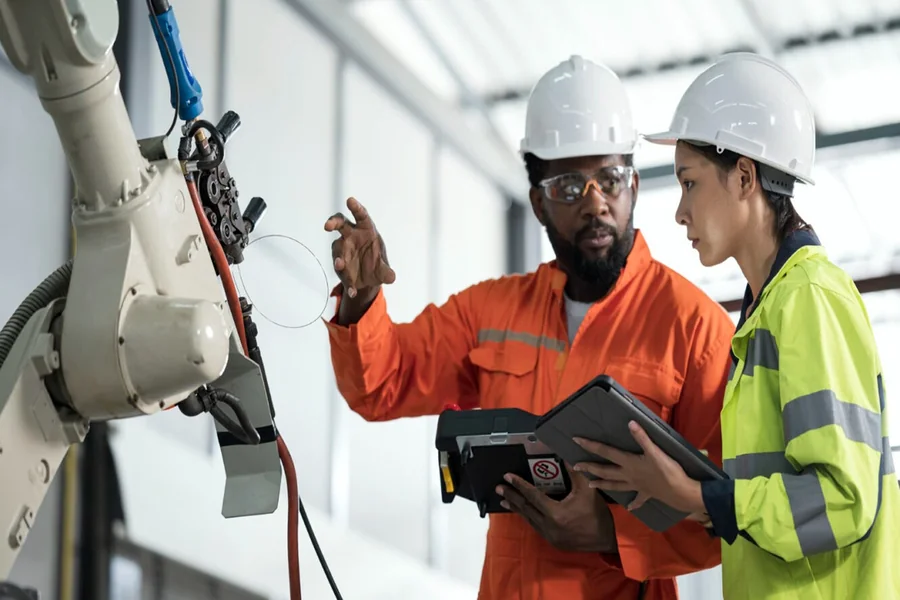
Laser cutting and robotic welding have also elevated production standards, ensuring consistent quality and tight tolerances across every unit. The result is a generation of chassis that deliver exceptional strength-to-weight ratios and superior towing stability.
Independent Suspension Systems
One of the most significant advancements in recent years has been the development of independent suspension systems. Traditional leaf-spring setups, while reliable, often transmitted vibration and shock directly to the caravan body. Independent suspension, using trailing arms and coil or air springs, allows each wheel to react individually to the terrain, greatly improving ride comfort and control.
Paired with robust chassis designs, these systems make modern caravans capable of tackling extreme off-road tracks while maintaining passenger comfort and protecting onboard equipment. Many systems are fully adjustable, allowing travellers to fine-tune ride height and handling on the go.
Hybrid and Modular Chassis Designs
Another area of rapid evolution is the rise of hybrid and modular chassis designs. Some manufacturers now use a combination of high-tensile steel and aluminium, strategically placing each material where it performs best — steel for load-bearing strength and aluminium for lightweight efficiency.
Modular designs also allow for easier repairs and upgrades, ensuring the chassis can evolve alongside changing technologies such as new suspension systems, battery storage, or towing electronics.
Sustainability and Smart Engineering
With sustainability becoming a major focus in modern manufacturing, Australian engineers are finding new ways to reduce waste, improve efficiency, and increase recyclability. Lightweight materials mean lower fuel consumption and emissions, while precision fabrication minimises offcuts and scrap.
Some manufacturers are even experimenting with composite materials and advanced coatings to further extend chassis lifespan without increasing weight. As renewable energy systems and electric tow vehicles grow more common, chassis design will continue to evolve to support battery storage, energy management, and new aerodynamic profiles.
Pride in Australian Innovation
What truly sets Australian caravan chassis apart is the culture of innovation and resilience behind them. Every improvement — from galvanised steel to laser-welded modular frames — reflects a uniquely Australian approach to engineering: practical, adaptive, and built for the real world.
Manufacturers across the country continue to test their designs on some of the toughest terrains imaginable, ensuring their products live up to the promise of “Australian Made” durability. It’s this relentless pursuit of excellence that has positioned Australia as a global leader in off-road caravan design and manufacturing.
The Road Ahead
The future of caravan chassis engineering is poised to be even more exciting. As technology advances, we can expect to see the integration of smart monitoring systems that track stress, temperature, and load distribution in real time. Electric braking and active suspension systems will likely become standard, offering smoother rides and greater safety.
Beyond technology, the emphasis on sustainability will continue to shape design philosophy. Recyclable materials, low-carbon production methods, and renewable energy integration will all play a role in the next chapter of Australian caravan engineering.
Conclusion
From humble steel beginnings to advanced hybrid structures, the evolution of caravan chassis in Australia showcases the very best of engineering innovation. Each new generation builds on decades of learning, driven by the challenges of the Australian landscape and the adventurous spirit of those who explore it.
Whether you’re towing across the Nullarbor or camping by the coast, the strength and reliability of your caravan chassis stand as a quiet reminder of Australian ingenuity — built tough, tested hard, and designed to go the distance.