
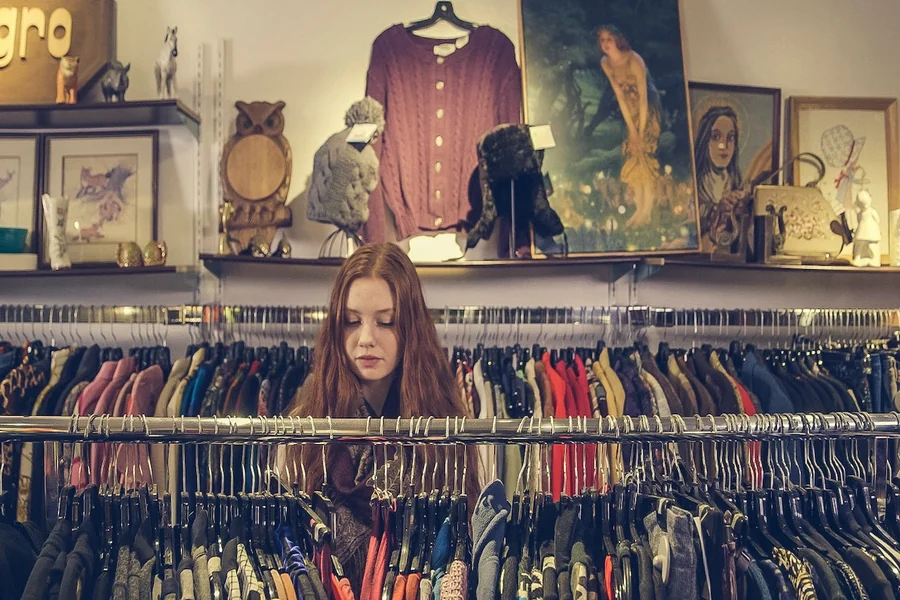
The fashion industry has long been synonymous with trends, fast-paced production cycles, and consumerism. For decades, the concept of ethical apparel—fashion that prioritizes sustainability, fair labor practices, and eco-friendly materials—was relegated to the background, perceived as niche or reserved for a small group of environmentally conscious consumers. However, over the past few years, there has been a monumental shift in consumer habits toward more conscious purchasing decisions. As awareness about the environmental impact of the fashion industry has grown, consumers are now seeking out clothing that aligns with their values, focusing on ethical apparel that minimizes harm to both people and the planet.
This shift is not a passing trend but a fundamental change in how the fashion industry operates. With rising consumer demand for eco-friendly, fair trade, and socially responsible clothing, the market for ethical apparel is expanding rapidly. This article will delve into the reasons behind this shift, the role of consumer behavior in the growing demand for ethical fashion, and the future of ethical apparel in the fashion industry. Watch insights stay fresh on Morris Time.
Growing Awareness of Fashion’s Environmental Impact
The first catalyst for the shift toward ethical apparel is the increasing awareness of the environmental consequences of the fashion industry. Fast fashion, characterized by mass production of cheap, low-quality clothing meant to cater to rapidly changing trends, has been heavily criticized for its unsustainable practices.
1.1 Environmental Consequences of Fast Fashion
Fast fashion accounts for approximately 10% of global carbon emissions, 20% of global water waste, and 25% of global pesticide use. The textile industry is one of the largest polluters on the planet, contributing to soil degradation, water contamination, and waste. As consumers become more aware of these staggering statistics, many are questioning the ethics of supporting a system that contributes so significantly to environmental degradation.
Consumers are increasingly turning to sustainable fashion as an alternative to fast fashion. Ethical apparel brands often use organic, plant-based, or recycled materials that reduce the environmental footprint. These brands prioritize slow fashion—a movement that focuses on quality, durability, and timeless designs instead of mass-producing clothing that is meant to be discarded after one season.
1.2 The Role of Social Media in Raising Awareness
Social media has played a critical role in raising awareness about the fashion industry’s environmental impact. Platforms like Instagram, TikTok, and YouTube have given rise to influencers, activists, and thought leaders who advocate for sustainable fashion. Influencers such as Emma Watson, Greta Thunberg, and Venetia La Manna are using their platforms to challenge the fast fashion model and encourage their followers to make more conscious, ethical choices.
Social media also facilitates conversations about the waste associated with fast fashion, such as the harmful effects of microplastics from synthetic fabrics and the clothing landfill crisis. These conversations have helped shape a new consumer mindset, one that demands accountability from brands and seeks to reduce overconsumption.
The Shift Toward Conscious Consumerism
As environmental concerns take center stage, consumers are making more informed choices about the products they buy. This shift is known as conscious consumerism, and it is rapidly changing the landscape of the fashion industry. More and more people are opting for apparel that reflects their values, whether it’s in terms of sustainability, fair labor practices, or ethical sourcing.
2.1 Consumers Want Transparency
One of the driving forces behind the shift toward ethical apparel is a demand for transparency. Today’s consumers want to know where their clothes come from, how they are made, and who made them. Ethical fashion brands are increasingly providing detailed information about their supply chains, the materials they use, and the working conditions of the people who produce their clothes.
In fact, 87% of consumers in a 2021 Fashion Revolution report said they want brands to be more transparent about their supply chains. Brands that are committed to transparency are earning consumer trust by providing information about their environmental impact, fair trade certifications, and labor practices. This shift towards transparency is empowering consumers to make more informed decisions about their purchases.
2.2 The Rise of Secondhand and Upcycled Fashion
Another aspect of conscious consumerism is the growing popularity of secondhand and upcycled fashion. Consumers are increasingly turning to resale platforms like Depop, ThredUp, and Poshmark, which allow them to buy and sell pre-loved clothing. According to a 2021 report by ThredUp, the secondhand market is expected to reach $77 billion by 2025, outpacing the growth of the traditional apparel market.
Consumers are now looking at fashion through a circular lens, focusing on ways to extend the life cycle of clothing rather than contributing to the take-make-dispose model. Brands are also catching on, with some offering repair services or creating upcycled collections made from leftover fabric and old garments. This focus on reusing and recycling aligns perfectly with the values of sustainability and ethical consumption.
The Influence of Ethical Fashion Brands
As consumer demand for ethical apparel rises, more brands are prioritizing sustainability and ethical practices in their production processes. The increased presence of ethical fashion brands in the market is one of the clearest signs of this shift.
3.1 Growth of Ethical Fashion Brands
Ethical fashion brands like Patagonia, Reformation, Everlane, Allbirds, and Stella McCartney are at the forefront of this movement. These companies are built on the principle of sustainability and social responsibility, and they use their platforms to promote ethical manufacturing practices and eco-friendly materials. They are also investing in innovation to develop fabrics that are not only sustainable but also functional and stylish.
For example, Everlane has adopted a transparency model, offering customers insights into the cost structure of their products and disclosing the factory conditions of their supply chain. Similarly, Patagonia is known for its commitment to using recycled fabrics, organic cotton, and fair labor practices.
In addition, many of these brands are pioneering sustainable business models, focusing on circular fashion and low-impact manufacturing processes. By showing that it is possible to create beautiful, high-quality clothing while maintaining a commitment to ethical standards, these brands are influencing consumer habits and proving that ethical fashion is not only possible but also commercially viable.
3.2 Fast Fashion Brands Adopting Sustainable Practices
In response to the growing demand for ethical fashion, even fast fashion brands are starting to incorporate sustainable practices into their operations. Brands like H&M, Zara, and Uniqlo have launched sustainable collections and set ambitious targets for reducing their environmental impact.
For instance, H&M launched its Conscious Collection, which uses more sustainable materials such as organic cotton, recycled polyester, and Tencel. The company has also committed to reducing its carbon footprint and achieving climate-positive production by 2040.
While these efforts may still have room for improvement, they demonstrate that sustainable fashion is no longer confined to a select group of brands. As consumers demand more ethical options, fast fashion giants are recognizing the need to evolve.
The Impact of Social Movements and Advocacy
Social movements and activist groups have played a key role in driving the shift toward ethical fashion. Activists are challenging the conventional fashion model and pushing for fair wages, better working conditions, and greater environmental responsibility. These movements have led to increased consumer activism, with people actively seeking brands that prioritize human rights and environmental stewardship.
For example, Fashion Revolution, a global movement that campaigns for greater transparency in the fashion industry, has had a significant impact on consumer awareness. The organization encourages consumers to ask brands “Who made my clothes?” in order to hold companies accountable for the social and environmental impact of their supply chains.
In addition, the rise of ethical fashion influencers and bloggers has helped amplify the message of sustainability and ethics within the fashion industry. Social media has allowed activists to spread the word about fair labor conditions, climate change, and the need for a more sustainable fashion system. This has led to an informed and empowered consumer base, one that is ready to demand ethical and eco-friendly apparel.
Conclusion: A New Era for Fashion
The shift toward ethical apparel represents a profound change in consumer habits and attitudes. More consumers are choosing clothing that aligns with their values, whether it’s in terms of environmental impact, fair labor practices, or social responsibility. This change is being driven by a combination of increased awareness, conscious consumerism, and the growing presence of ethical fashion brands.
As consumers continue to demand greater transparency, sustainability, and ethical production practices, the fashion industry will be forced to evolve. While challenges remain—such as reducing the environmental impact of mass production and ensuring fair wages for workers—the growing popularity of ethical apparel is a clear sign that the fashion industry is on the brink of a new era.
The future of fashion is ethical, and the data shows that consumers are increasingly willing to support brands that prioritize sustainability and fairness. By shifting consumer habits toward ethical apparel, we can help build a more inclusive, transparent, and sustainable fashion industry for generations to come.