Protecting Value from the Ground Up
Chassis protection coating solutions play a crucial role in preserving the longevity, safety, and value of vehicles and heavy-duty equipment. Whether used in passenger cars, commercial trucks, agricultural machinery, or industrial transport fleets, these coatings act as a protective barrier between the vehicle’s underbody and the harsh environments it operates in. For individuals and businesses alike, investing in chassis protection is ultimately about safeguarding long-term value and reducing costly repairs.
Why Corrosion Is a Silent Financial Threat
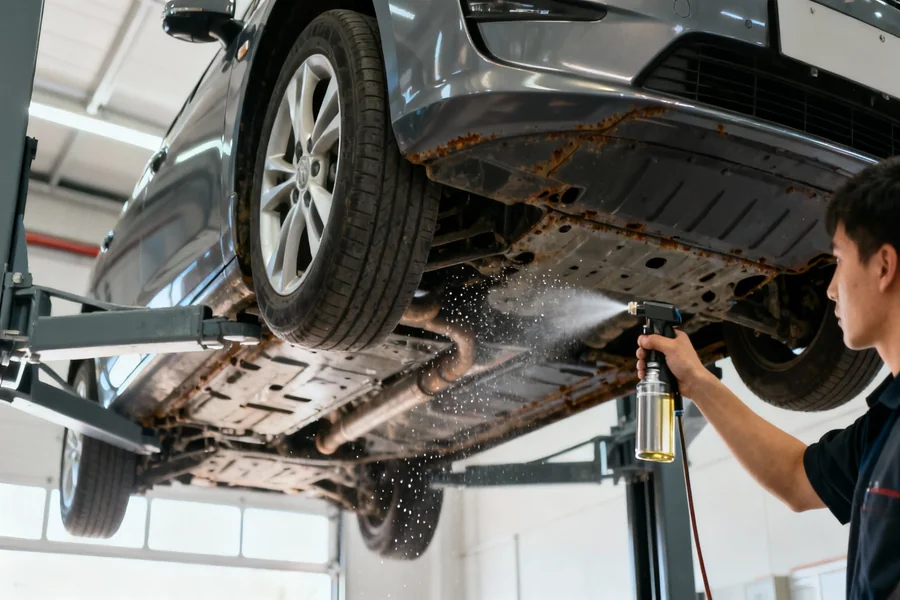
At its core, chassis protection coating is designed to shield the underside of a vehicle from corrosion, abrasion, chemical exposure, and environmental damage. The chassis is constantly exposed to road debris, water, salt, oil, mud, and fluctuating temperatures. Over time, these elements can degrade unprotected metal surfaces, leading to rust formation and structural weakening. Once corrosion sets in, it is often expensive and difficult to reverse. Protective coatings help prevent this process before it begins.
Road Salt, Moisture, and Long-Term Damage
One of the most common threats to a vehicle’s chassis is corrosion caused by moisture and road salt. In regions with cold winters, salt is frequently used to de-ice roads. While effective for improving traction, salt accelerates oxidation, causing metal components to rust rapidly. Chassis coatings create a sealed layer that prevents salt and water from directly contacting the metal surface. This barrier significantly slows down the oxidation process and extends the usable life of the vehicle.
Wear, Impact, and Daily Exposure Risks
Beyond corrosion protection, these coatings also provide resistance to mechanical wear. The underside of a vehicle is constantly bombarded by gravel, sand, and debris kicked up from the road. Over time, this can chip away at exposed surfaces, creating small entry points for moisture and contaminants. A durable coating absorbs much of this impact, reducing surface erosion and maintaining the integrity of the chassis.
Types of Chassis Protection Coating Solutions
There are several types of chassis protection coating solutions available, each with different properties and applications. Wax-based coatings are often used for their excellent water-repellent properties and ability to penetrate tight seams and joints. Bitumen-based coatings are thicker and provide strong impact resistance, making them suitable for heavy-duty vehicles and industrial equipment. Rubberized coatings offer flexibility, which helps them expand and contract with temperature changes without cracking. More advanced modern solutions include polymer-based and ceramic-enhanced coatings, which provide superior durability and longer service life.
Application Process and Surface Preparation
The application process is just as important as the coating itself. Proper chassis protection begins with thorough cleaning and preparation of the vehicle’s underside. Any existing rust must be removed, and surfaces must be degreased to ensure proper adhesion. In professional applications, sandblasting or high-pressure washing is often used to prepare the chassis. Once cleaned, the coating is applied evenly across all exposed metal surfaces, seams, and hard-to-reach areas. In many cases, multiple layers are applied to ensure maximum protection.
Chassis Coating in Practice: Real-World Performance
A properly applied chassis coating significantly improves long-term durability in real-world conditions. Vehicles exposed to harsh environments—such as coastal roads, snowy regions, or construction sites—benefit the most. The coating acts as a continuous shield against both visible and hidden damage. This is where chassis coating systems prove their value, as they prevent micro-damage from turning into structural failure over time, especially in high-use commercial vehicles.
Financial Benefits for Owners and Fleet Operators
One of the key financial benefits of chassis protection coating solutions is the reduction in long-term maintenance and repair costs. Rust damage can compromise structural components such as frame rails, suspension mounts, and brake lines. Repairing or replacing these parts can be extremely expensive and may even render older vehicles uneconomical to maintain. By preventing corrosion early, coatings help avoid these costly interventions and extend the operational lifespan of the vehicle.
For commercial fleets, the economic impact is even more significant. Fleet operators rely on vehicle uptime to maintain productivity and meet delivery schedules. A single vehicle taken out of service for corrosion-related repairs can disrupt operations and increase logistical costs. By investing in chassis protection across an entire fleet, companies can reduce downtime, improve reliability, and lower total cost of ownership. Over time, this translates into stronger profit margins and more predictable maintenance planning.
Resale Value and Long-Term Asset Protection
Another important advantage is the preservation of resale value. Vehicles with well-maintained, rust-free chassis command higher prices in the secondary market. Buyers are often wary of hidden corrosion damage, which can compromise safety and performance. A documented history of professional chassis coating application can therefore serve as a strong selling point, demonstrating that the vehicle has been properly maintained and protected.
Environmental Conditions and Risk Factors
Environmental conditions also play a significant role in determining the need for chassis protection. Vehicles operating in coastal areas are exposed to salt-laden air, while those in humid climates face constant moisture exposure. Off-road vehicles encounter mud, rocks, and vegetation that can trap moisture against metal surfaces. Industrial and construction vehicles are frequently exposed to chemicals, oils, and abrasive materials. In all these environments, coatings provide a critical layer of defense.
Modern Innovations in Protective Coatings
Technological advancements have significantly improved the effectiveness of modern coating solutions. Today’s products are engineered to be more durable, environmentally friendly, and easier to apply than older formulations. Many coatings are now low in volatile organic compounds (VOCs), making them safer for both applicators and the environment. Some advanced systems also include self-healing properties, allowing minor scratches or abrasions to reseal over time.
Why Prevention Is Better Than Repair
Despite their benefits, chassis coatings are often overlooked by vehicle owners who focus more on visible maintenance such as paintwork, tires, and engine performance. However, because the chassis is hidden from view, damage often goes unnoticed until it becomes severe. This makes preventative coating solutions even more important, as they provide continuous protection without requiring constant monitoring.
Final Thoughts: A Smart Investment Strategy
In conclusion, chassis protection coating solutions are a highly effective investment in vehicle longevity and financial security. By forming a durable barrier against corrosion, abrasion, and environmental damage, these coatings preserve structural integrity and reduce long-term maintenance costs. Whether for individual vehicle owners or large commercial fleets, the benefits extend beyond simple protection—they directly contribute to lower operational costs, improved safety, and enhanced resale value. In an environment where vehicles are constantly exposed to damaging forces, chassis protection is not just an optional upgrade, but a practical necessity for safeguarding long-term investment value.